
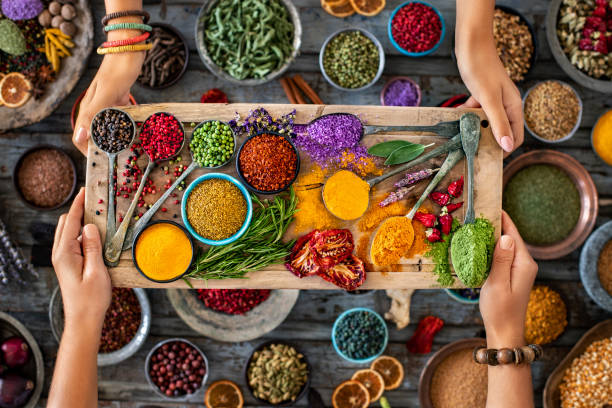
Turkish cuisine is world-renowned for its bold, aromatic flavors, and much of its magic comes from the extensive use of spices. These spices not only elevate the taste of dishes but also reflect Turkey’s rich history and diverse cultural influences. From the bustling bazaars of Istanbul to traditional Turkish kitchens, spices are an integral part of daily life. Let’s explore the varieties of Turkish spices and their unique characteristics that make Turkish food so unforgettable.
Common Turkish Spices and Their Uses
- Pul Biber (Chili Flakes) Pul Biber is one of the most commonly used spices in Turkish cuisine. It’s made from dried, crushed red peppers, with a range of heat levels. Its smoky and mildly spicy flavor is perfect for kebabs, soups, and stews.
- Cumin (Kimyon) Cumin seeds are a staple in Turkish kitchens, adding earthy and nutty flavors to dishes. It’s especially popular in meat-based dishes like köfte (meatballs) and stews. Ground cumin is often sprinkled on top of dishes before serving for a burst of aroma.
- Sumac Sumac is a tangy, reddish-purple spice made from ground berries. Its citrusy flavor adds a refreshing note to grilled meats, salads, and dips like hummus. It’s a must-have for enhancing the flavor of kebabs and lahmacun.
- Turmeric (Zerdeçal) Known for its vibrant yellow color and health benefits, turmeric adds warmth and depth to dishes like rice pilaf and lentil soups. Its slightly bitter, earthy flavor pairs well with hearty Turkish stews and vegetable dishes.
- Cinnamon (Tarçın) Though often associated with sweet dishes, cinnamon is also widely used in savory Turkish recipes. It adds a warm, sweet note to meat stews like hünkar beğendi and is often sprinkled on rice pudding (sütlaç).
- Mint (Nane) Dried mint is a refreshing and cooling herb used in a variety of Turkish dishes. It’s often sprinkled on yogurt-based dishes like cacık and soups like lentil (mercimek çorbası).
- Black Cumin (Çörekotu) Black cumin seeds are often used in baking, especially in Turkish bread and pastries. Their slightly bitter, nutty flavor complements both savory and sweet dishes.
- Paprika (Tatlı Biber) Sweet paprika is widely used in Turkish cuisine to add color and flavor without overwhelming heat. It’s often used in mezes, soups, and rice dishes for a rich, smoky flavor.
The Role of Turkish Spices in Cuisine
Turkish spices are more than just flavor enhancers; they are deeply embedded in the culture and history of Turkey. Many Turkish dishes are defined by their specific blend of spices, which are carefully balanced to create a harmony of flavors. Whether it’s the fiery kick of pul biber in a kebab or the subtle sweetness of cinnamon in a dessert, spices play a pivotal role in making Turkish cuisine one of the most beloved in the world.
Health Benefits of Turkish Spices
Many Turkish spices also offer numerous health benefits. For example:
- Turmeric is known for its anti-inflammatory properties.
- Cumin aids in digestion.
- Sumac is rich in antioxidants. Incorporating these spices into your diet not only adds flavor but also enhances your overall well-being.
Where to Buy Authentic Turkish Spices
Finding authentic Turkish spices can be a challenge outside of Turkey, but you don’t have to look far. Visit exporgin.com to explore a wide range of high-quality, authentic Turkish spices. Whether you’re looking for the smoky depth of pul biber or the tangy freshness of sumac, exporgin.com offers everything you need to recreate the flavors of Turkey in your own kitchen.