
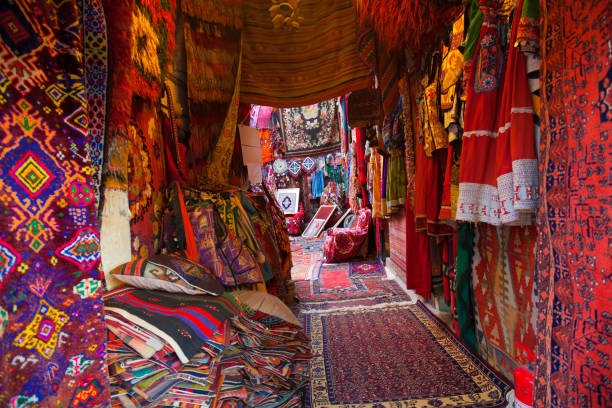
Turkish silk carpets are renowned worldwide for their extraordinary quality, vivid designs, and meticulous craftsmanship. These masterpieces of art and utility have their roots in centuries-old traditions, blending history, culture, and artistry. This article delves into the rich history, intricate manufacturing process, and distinctive characteristics of Turkish silk carpets. We’ll also explore why these carpets remain timeless treasures that captivate people across the globe.
The History of Turkish Silk Carpets
The origins of carpet weaving in Turkey trace back to the Seljuk Empire, which ruled the region from the 11th to the 13th centuries. However, it was during the Ottoman Empire that silk carpet weaving reached its zenith. The cities of Hereke and Bursa became synonymous with silk carpets, known for their exquisite patterns and unparalleled quality.
Hereke, a small town near Istanbul, became a hub of luxury carpet production in the 19th century under Sultan Abdülmecid I. The royal workshops of Hereke produced carpets exclusively for palaces and high-ranking officials. These carpets featured intricate designs inspired by Ottoman, Persian, and European motifs, often made from pure silk or silk with gold and silver threads.
Bursa, another significant center, was historically known as a key node on the Silk Road. The city’s access to high-quality silk and its skilled artisans made it a prime location for producing silk carpets. Today, both Hereke and Bursa continue to uphold this tradition, creating carpets that are prized worldwide.
The Process of Making Turkish Silk Carpets
Creating a Turkish silk carpet is a labor-intensive process requiring unparalleled skill and precision. Here’s how these exquisite carpets are made:
Silk Extraction:
The process begins with the harvesting of silk threads from silkworm cocoons. This raw silk is carefully treated to achieve the desired quality and texture.
* Dyeing: The silk threads are dyed using natural dyes derived from plants, roots, and insects. This ensures the colors remain vibrant and fade-resistant for decades.
* Weaving: The weaving process is carried out on traditional looms. Artisans use the double-knot technique, also known as the Turkish knot, to ensure durability and detailed designs. Each knot is tied by hand, requiring immense patience and skill.
* Design: The designs are meticulously planned, often inspired by cultural, floral, or geometric patterns. Some carpets also incorporate symbolic elements that hold historical or spiritual significance.
* Finishing Touches: Once the weaving is complete, the carpet undergoes a final inspection and finishing process.
This includes trimming, washing, and stretching to enhance its appearance and quality.
Unique Features of Turkish Silk Carpets
Turkish silk carpets are distinguished by several key features:
* Material Excellence: Made from 100% pure silk, these carpets have a luxurious sheen and soft texture.
* Knot Density: Turkish carpets are known for their high knot density, which results in intricate patterns and durability.
* Timeless Designs: The motifs often include floral, geometric, or symbolic patterns, blending traditional and contemporary aesthetics.
* Durability: Despite their delicate appearance, silk carpets are incredibly durable and can last for generations with proper care.
* Cultural Significance: Each carpet tells a story, reflecting the cultural and historical richness of Turkey.
Why Turkish Silk Carpets Are Timeless Treasures
Owning a Turkish silk carpet is like possessing a piece of art. These carpets elevate any space with their beauty and sophistication. They are not only decorative but also serve as a testament to Turkish culture and artistry. Over time, their value appreciates, making them a worthy investment. If you want to discover wonderful Turkish carpets, you can visit exporgin.com.