
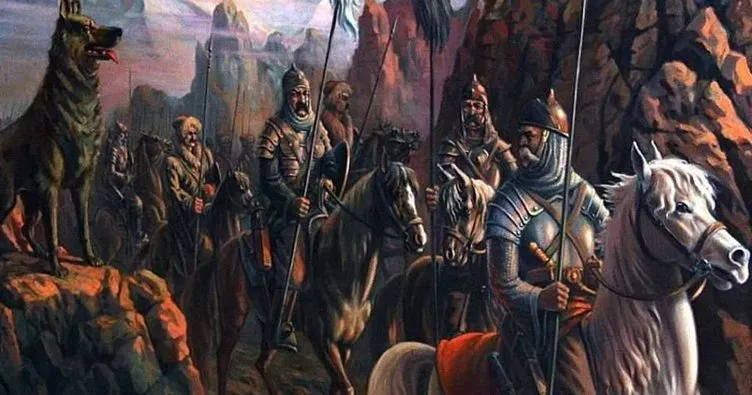
The rich tapestry of Turkish culture is beautifully woven with captivating epics and legends. These tales, passed down through generations, reflect the values, struggles, and imagination of the Turkish people. From the heroics of Dede Korkut to the legendary exploits of Oğuz Kağan, Turkish epics hold a special place in the cultural heritage of the nation. Let’s explore these timeless stories and uncover their impact on society.
The Timeless Tales of Dede Korkut
One of the most iconic works of Turkish literature, Dede Korkut, is a collection of epic stories that originated from the Oghuz Turks. This compilation offers a vivid glimpse into the lives of ancient Turks, their customs, and their beliefs.
The tales are centered around themes of bravery, loyalty, and the fight for justice. Heroes like Bamsı Beyrek and Salur Kazan embody the virtues of courage and sacrifice. Moreover, the narratives often include a mystical element, weaving in supernatural beings and divine interventions.
What makes Dede Korkut unique is its oral storytelling tradition, which preserved these tales before they were transcribed. In 2018, UNESCO recognized the Dede Korkut stories as part of the Intangible Cultural Heritage of Humanity, further solidifying their importance.
The Legend of Oğuz Kağan
The Oğuz Kağan Epic is one of the earliest and most profound stories in Turkish mythology. It tells the tale of Oğuz Kağan, a mythical ruler and a legendary hero who united the Turkish tribes and expanded his empire.
According to the epic, Oğuz Kağan was born with extraordinary abilities and divine favor. He conquered vast lands, defeated mythical beasts, and built a prosperous empire. The story is rich in symbolism, reflecting the nomadic lifestyle of the Turks and their close connection with nature.
The legend also highlights themes of unity and leadership, emphasizing the importance of collaboration among tribes. Oğuz Kağan’s story has inspired generations and is seen as a cornerstone of Turkish cultural identity.
The Social Impact of Local Legends
Beyond epic tales, Turkish culture is brimming with local legends that offer valuable insights into societal values and historical events. These stories, often tied to specific regions, provide a sense of identity and continuity.
For instance:
- The story of Hasan and Şirin is a tragic love tale that underscores themes of devotion and sacrifice.
- Legends of the Van Lake Monster or Mount Ararat showcase the blend of myth and reality in Turkish folklore.
- Local tales often explain natural phenomena or historic landmarks, fostering a connection between people and their environment.
These efsaneler (legends) also serve as tools for teaching moral lessons and preserving cultural values, ensuring that younger generations remain connected to their roots.
Why Turkish Epics and Legends Matter Today
Turkish epics and legends are more than just stories—they are cultural artifacts that bridge the past and the present. They provide valuable insights into the worldview of ancient Turks, highlighting their resilience, spirituality, and sense of community.
As globalization continues to influence cultures worldwide, these stories serve as reminders of the unique identity of the Turkish people. They inspire pride, creativity, and a deeper understanding of history.
Key Takeaways
- Dede Korkut showcases the oral tradition and heroic values of the Oghuz Turks.
- The Oğuz Kağan Epic reflects themes of leadership, unity, and conquest.
- Local legends connect communities with their history and environment.
- These stories preserve Turkish cultural identity and teach timeless lessons.
The epics and legends of Turkey are treasures of world literature, offering an unparalleled journey into the history and culture of a vibrant civilization. Whether through the heroic exploits of Dede Korkut’s characters, the unifying leadership of Oğuz Kağan, or the moral lessons of local legends, these stories continue to resonate with readers today. Explore these tales, and you’ll find yourself immersed in a world where history, myth, and culture intertwine.