
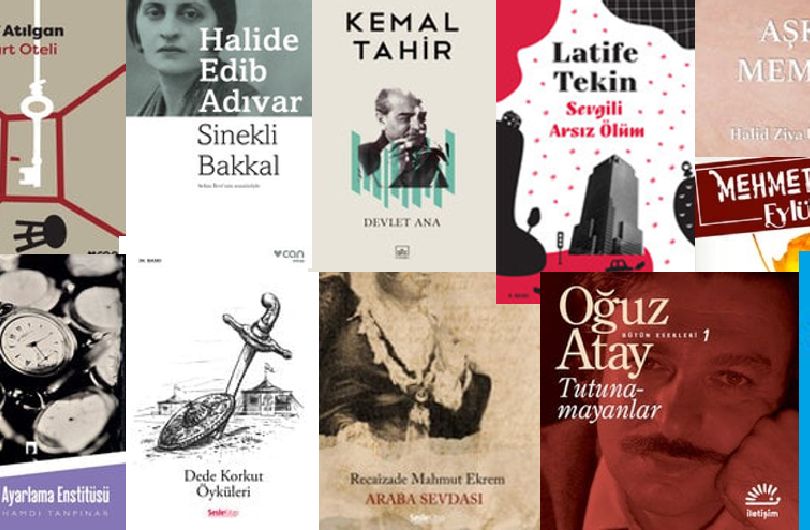
Exploring Turkish language and literature reveals a rich cultural heritage that spans centuries. From the poetic works of Rumi to the contemporary novels of Orhan Pamuk, Turkish literature offers a unique perspective on life, history, and human nature. This blog post delves into the significant aspects of Turkish language and literature, highlighting key elements and providing insights for enthusiasts and scholars alike.
The Origins of the Turkish Language
The Turkish language, part of the Turkic language family, has a history that dates back to the early centuries of the Common Era. It has evolved through various stages, including Old Turkic, Middle Turkic, and Modern Turkish. Understanding these stages is crucial to appreciating the depth of Turkish literature.
Old Turkic (7th-13th centuries): The earliest records, including the Orkhon inscriptions, provide valuable insights into the language’s ancient form.
Middle Turkic (13th-15th centuries): This period saw the influence of Persian and Arabic, enriching the vocabulary and literary expression.
Modern Turkish (15th century-present): The language underwent significant reform in the early 20th century, leading to the Turkish spoken today.
Major Influences on Turkish Literature
Turkish literature has been shaped by various cultural and historical influences, making it a melting pot of different styles and themes.
Islamic Influence: The advent of Islam in the 11th century brought about significant changes, with Persian and Arabic literature heavily influencing Turkish poetry and prose.
Western Influence: The 19th and 20th centuries saw Western literary forms and ideas being integrated, leading to the modernization of Turkish literature.
Turkish Folk Literature: Oral traditions, including epic tales and folk songs, have played a vital role in preserving and transmitting cultural values.
Notable Figures in Turkish Literature
Turkish literature boasts numerous notable figures who have left an indelible mark on the literary world. Here are a few examples:
Yunus Emre (1238-1320): A poet and Sufi mystic whose works emphasize love, humanism, and spirituality.
Nazım Hikmet (1902-1963): Known as the “romantic communist,” Hikmet’s poetry and plays reflect his political views and deep empathy for the human condition.
Orhan Pamuk (1952-present): A Nobel laureate, Pamuk’s novels explore the complexities of Turkish identity and the tensions between East and West.
Key Themes in Turkish
Several recurring themes can be observed in Turkish literature, reflecting the nation’s cultural and historical experiences.
Identity and Belonging: Many works explore the struggle to reconcile traditional values with modernity, particularly in the context of Turkey’s unique position between East and West.
Love and Mysticism: Influenced by Sufi traditions, themes of divine and earthly love are prevalent, often interwoven with mystical elements.
Social and Political Commentary: Literature has been a powerful tool for critiquing social injustices and advocating for political change.
The Evolution of Turkish Literary Forms
Turkish literature has evolved through various forms, from classical poetry to modern novels, each reflecting the changing times and tastes.
Divan Poetry: Flourishing during the Ottoman Empire, this form is characterized by its use of Persian and Arabic vocabulary and intricate poetic meters.
Modern Turkish Poetry: The early 20th century saw a break from traditional forms, with poets like Nazım Hikmet embracing free verse and themes of social realism.
Contemporary Turkish Fiction: Modern novelists like Elif Shafak and Orhan Pamuk continue to push boundaries, blending traditional storytelling with innovative narrative techniques.
The rich tapestry of Turkish language and literature offers endless opportunities for exploration and appreciation. Whether you’re a scholar, a student, or simply a curious reader, delving into the world of Turkish literature provides a deeper understanding of Turkey’s cultural heritage and its ongoing literary journey.