
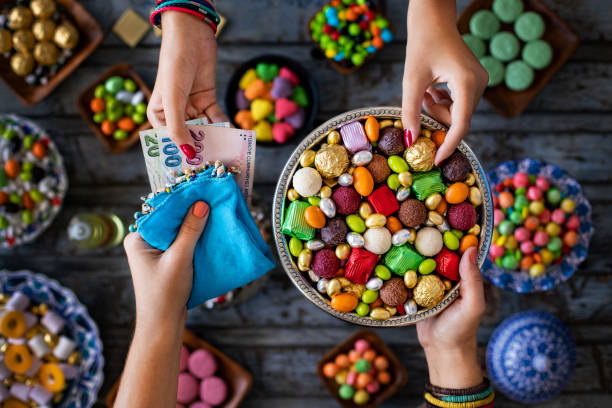
Turkey is a land of rich cultural heritage, and its festivals reflect the country’s vibrant traditions and deep-rooted beliefs. From the heartfelt rituals of Ramadan Bayram and Kurban Bayram to the colorful festivities of Nevruz, Turkish celebrations bring communities together and preserve time-honored customs. This blog delves into the common practices and rituals of these festivals, their historical significance, and how modern urban life has shaped these traditions.
Ramadan Bayram (Eid al-Fitr): A Celebration of Togetherness
Known as Şeker Bayramı (Sugar Feast) in Turkey, Ramadan Bayram marks the end of the holy month of fasting. It is a time of joy, family gatherings, and generosity.
Traditional Rituals
Families begin the day with a special prayer at the mosque, known as the Eid prayer. Visiting elders is a cornerstone of the celebration. Younger family members kiss the hands of their elders as a sign of respect and receive blessings or gifts in return. Children often collect candies, chocolates, and sometimes pocket money from neighbors and relatives, making it an exciting day for them.
Feast and Hospitality: Lavish meals are prepared, featuring traditional dishes such as börek, baklava, and sarma.
Offering sweets to guests is a must, symbolizing the sweetness of togetherness and gratitude.
Charity and Sharing: The spirit of giving is at the heart of Ramadan Bayram. Many people donate to those in need, ensuring everyone can partake in the celebration.
Kurban Bayram (Eid al-Adha): The Festival of Sacrifice
Kurban Bayram, commemorating Prophet Ibrahim’s devotion to God, is one of the most significant Islamic holidays in Turkey. It emphasizes sacrifice, sharing, and spiritual reflection.
Sacrificial Ritual: Families who can afford it sacrifice a sheep, goat, or cow as an act of devotion.
The meat is divided into three portions: one for the family, one for relatives, and one for the less fortunate.
This act of charity reinforces the importance of helping those in need.
Community and Family Gatherings: Similar to Ramadan Bayram, families visit relatives and neighbors, exchanging warm wishes and gifts. Special meals are shared, often including the freshly prepared meat from the sacrifice.
Modern Adaptations: In urban areas, many people now donate to charitable organizations that perform the sacrificial rites on their behalf, reflecting a shift towards practicality in modern life.
Nevruz: A Celebration of Spring and Rebirth
Nevruz, celebrated on March 21st, marks the arrival of spring and is deeply rooted in ancient Persian and Turkic traditions. It is a vibrant and symbolic celebration of renewal, unity, and hope.
Cultural and Historical Significance: Nevruz is considered a time for new beginnings, symbolizing the renewal of nature and the start of the agricultural season. It has ancient roots in Zoroastrianism but has been embraced by many cultures, including Turkic peoples.
Festive Practices in Turkey: Bonfires are lit, and people jump over the flames as a symbolic act of purification and courage. Traditional foods like pilaf, sweets, and herbs are shared among families and communities. Dancing, singing, and folk games are common, reflecting the joy of the occasion.
Nevruz in Modern Turkey:
While predominantly celebrated in eastern and southeastern Turkey, Nevruz has gained national recognition as a cultural festivity. It is often marked by community gatherings, concerts, and public events in urban areas.
The Evolution of Festivals in Modern Urban Life
As Turkey’s cities grow and lifestyles modernize, traditional celebrations have adapted to contemporary settings. Here are some notable shifts:
Changing Social Dynamics: In urban areas, tight schedules and long commutes have shortened the length of traditional visits, with many families opting for video calls or quick meetings. High-rise living and apartment complexes have transformed the neighborhood dynamic, reducing the practice of door-to-door visits.
Modern Hospitality: While home-cooked feasts remain central to celebrations, catering services and restaurants have become popular alternatives for hosting guests. Some families combine traditional dishes with modern or international cuisine, adding a contemporary flair to their meals.
Digital Influence: Social media plays a significant role in holiday greetings, with many people sharing digital cards or posting festive messages online. E-charity platforms make it easier to donate to those in need during Kurban Bayram or Ramadan Bayram.
Preserving Traditions: Despite these changes, many families work to preserve core traditions, ensuring that younger generations understand and respect their cultural heritage.
Turkish festivals like Ramadan Bayram, Kurban Bayram, and Nevruz are more than just celebrations; they are reflections of Turkey’s rich history, cultural values, and communal spirit. While modern life has brought changes to how these festivals are celebrated, the essence of togetherness, generosity, and joy remains timeless. By embracing both tradition and innovation, these celebrations continue to strengthen the bonds within families and communities.