
Turkey, a bridge between East and West, is a country rich in cultural heritage and history. Its culture is a unique blend of traditions, shaped by centuries of interactions among various civilizations. From the grandeur of its historical landmarks to the warmth of its hospitality, Turkish culture captivates all who experience it.
The Importance of Hospitality
One of the most defining aspects of Turkish culture is its emphasis on hospitality. Guests are considered a blessing, and hosting them is seen as an opportunity to demonstrate generosity and kindness. Whether in urban Istanbul or a remote Anatolian village, visitors are welcomed with open arms and treated to an array of traditional foods and drinks.
Turkish tea, served in tulip-shaped glasses, and Turkish coffee, presented in ornate cups, are central to this culture of hospitality. Sharing a cup of coffee is often accompanied by lively conversations and heartfelt connections, embodying the saying, “A cup of coffee commits one to forty years of friendship.”
Culinary Traditions: A Feast for the Senses
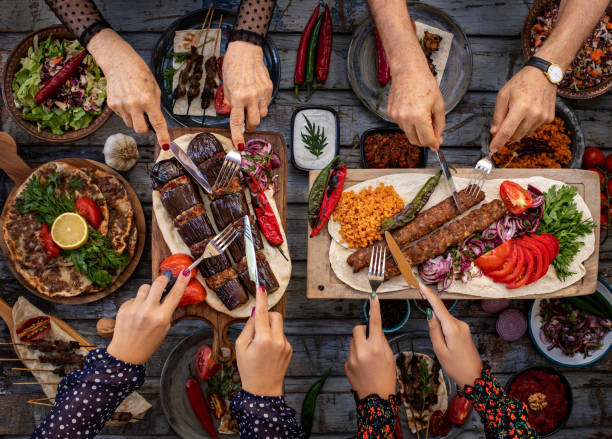
Turkish cuisine is a cornerstone of its culture, renowned for its diversity and flavors. From savory dishes like kebabs and börek to sweet delights such as baklava and Turkish delight, the culinary traditions of Turkey reflect its rich history and regional diversity.
The country’s love for food is deeply tied to social interactions. Meals are often communal events, bringing families and friends together to celebrate life’s moments. Regional specialties, such as the pistachio baklava of Gaziantep or the manti of Kayseri, highlight the local ingredients and traditions that make Turkish cuisine so unique.
Traditional Music and Dance
Turkish music and dance are vibrant expressions of the country’s cultural soul. Instruments such as the bağlama (a stringed instrument), ney (a reed flute), and darbuka (a goblet drum) create melodies that evoke both joy and nostalgia.
Traditional dances, such as the energetic halay and the graceful zeybek, are performed at weddings and festivals. These dances not only entertain but also serve as a way to preserve cultural identity and pass it on to future generations.
Art and Architecture: A Blend of Influences
Turkey’s art and architecture reflect its position as a crossroads of civilizations. From the iconic Hagia Sophia in Istanbul to the intricate tiles of the Blue Mosque, the country is a treasure trove of architectural marvels.
Traditional arts such as calligraphy, ebru (paper marbling), and carpet weaving showcase the meticulous craftsmanship and aesthetic sensibilities of Turkish artisans. These art forms are more than decorative; they are a testament to Turkey’s rich cultural history.
Celebrations and Festivals
Turkish culture is marked by a variety of celebrations and festivals that bring communities together. Religious holidays like Eid al-Fitr (Ramazan Bayramı) and Eid al-Adha (Kurban Bayramı) are occasions for family gatherings, feasts, and acts of charity.
Secular festivals, such as the International Istanbul Film Festival and the Whirling Dervishes Festival in Konya, celebrate the country’s artistic and spiritual heritage. These events attract both locals and international visitors, showcasing Turkey’s dynamic cultural scene.
The Evolving Face of Turkish Culture
While deeply rooted in tradition, Turkish culture continues to evolve, blending modernity with its historical legacy. Contemporary Turkish cinema, music, and fashion are gaining international recognition, reflecting the creativity and resilience of the nation’s artists.
At the same time, efforts to preserve cultural heritage are evident in initiatives to protect historical sites and revive traditional crafts. This balance of tradition and innovation ensures that Turkish culture remains vibrant and relevant in the modern world.
A Culture of Connection and Identity
Turkish culture is a tapestry woven from the threads of history, tradition, and innovation. It is a culture that values connection whether through a shared meal, a heartfelt conversation, or a communal celebration. Its richness lies in its ability to honor the past while embracing the future.
Experiencing Turkish culture is more than a journey through its landmarks or a taste of its cuisine; it is an invitation to understand the heart and soul of its people. Whether you are sipping Turkish tea in a bustling bazaar or marveling at the artistry of a centuries-old mosque, you are partaking in a legacy of warmth, creativity, and resilience.