
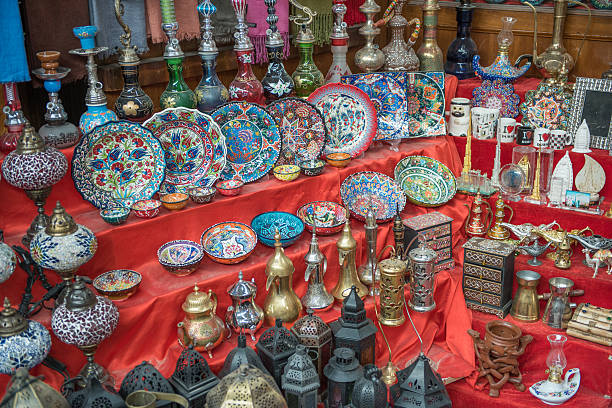
Turkey has a rich cultural heritage that reflects in its traditional handicrafts and crafts. From the delicate art of wood carving to the mesmerizing patterns of Ebru (marbling art), Turkish craftsmanship has been passed down through generations. These unique art forms not only preserve history but also showcase the incredible skills of Turkish artisans. In this blog, we explore the most significant traditional Turkish handicrafts, their meanings, and their journey from the Ottoman era to modern times.
The Hidden Meanings of Turkish Carpet and Kilim Motifs
Turkish carpets and kilims are not just decorative pieces; they tell stories through their intricate motifs and patterns. Each design represents different cultural elements such as:
- Elibelinde (Hands on Hips): Symbolizing fertility and motherhood.
- Koçboynuzu (Ram’s Horn): Representing strength, power, and masculinity.
- Su Yolu (Waterway): A sign of prosperity and abundance.
These handmade carpets are woven with natural dyes and high-quality wool, making them valuable pieces of Turkish culture. Their motifs have been used for centuries to communicate emotions, wishes, and societal values.
The Art of Ottoman Tiles: From the Past to the Present
Çini (Turkish tile art) is one of the most prominent crafts of the Ottoman era. These ceramic tiles are often seen in mosques, palaces, and historical buildings, with vibrant blue, red, and turquoise colors.
Key Features of Ottoman Tile Art:
- Intricate floral and geometric patterns.
- Handmade, glazed, and decorated with natural dyes.
- Commonly found in historical sites such as the Topkapi Palace and Süleymaniye Mosque.
Today, Turkish tile-making is still alive in cities like Iznik and Kütahya, where skilled artisans continue to produce these stunning works of art.
From Felt Making to Metalwork: Turkey’s Century-Old Crafts
Anatolia is home to numerous ancient crafts that have been practiced for centuries. Some of the most well-known include:
- Keçecilik (Felt Making): One of Turkey’s oldest textile arts, used to make carpets, cloaks, and hats.
- Telkari (Filigree Metalwork): A delicate art of shaping fine silver or gold wires into intricate designs, mainly seen in Mardin.
- Bakır İşlemeciliği (Copper Craftsmanship): The production of copper kitchenware, plates, and decorative items, famous in Gaziantep and Kahramanmaraş.
These handicrafts reflect the richness of Anatolian culture and the high level of skill required to create them.
The Miniature Art: Ottoman-Era Fine Details
Miniature painting, or Minyatür Sanatı, was a significant art form in the Ottoman period, used mainly in books and manuscripts. These detailed paintings were created using fine brushes and vibrant colors.
Characteristics of Ottoman Miniature Art:
- No perspective, but strong attention to detail.
- Used for historical documentation and storytelling.
- Bright colors and gold leaf accents.
Today, miniature art is still practiced by modern artists who keep the Ottoman tradition alive while incorporating contemporary techniques.
The Mesmerizing Art of Ebru (Turkish Marbling)
One of Turkey’s most famous traditional arts is Ebru, also known as paper marbling. This technique involves floating colors on water and creating mesmerizing patterns before transferring them onto paper.
Why Ebru is Unique:
✔️ Uses natural pigments and special brushes made of horsehair and rose stems.
✔️ Each piece is one-of-a-kind; no two designs are identical.
✔️ Often used for book covers, calligraphy, and decorative purposes.
Ebru has been recognized by UNESCO as an Intangible Cultural Heritage, proving its significance in Turkish culture.
Turkish traditional handicrafts and crafts are deeply rooted in history and culture. From kilim motifs to Ottoman miniatures, these art forms continue to inspire and captivate people worldwide. Whether you’re an art lover or a traveler, exploring Turkey’s rich craftsmanship is a journey worth taking.
If you want to own a piece of Turkish heritage, many artisans and workshops all over Turkey continue to practice these crafts and keep the heritage alive. Would you like to learn more about a specific Turkish craft? You can visit Exporgin.com.