
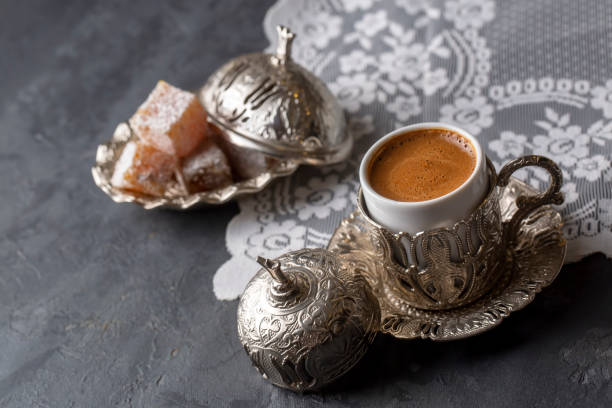
Turkish coffee is not just a beverage; it is the embodiment of history, tradition and society. One of the oldest brewing techniques in the world, Turkish coffee represents the heart and soul of Turkish culture. From its origins in the Ottoman Empire to its place on the UNESCO Intangible Cultural Heritage List, this drink has become a global symbol of hospitality, connection and refinement. AtTurkishCultures.com, we explore the depths of this cultural treasure, offering a comprehensive look at its preparation, rituals and lasting significance.
A Journey Through Time: The History of Turkish Coffee
The story of Turkish coffee begins in the 16th century with the introduction of coffee to the Ottoman Empire via Yemen. The sultans and elite of Istanbul quickly adopted the drink, leading to the establishment of coffeehouses that became centres of intellectual debate, poetry and social interaction. Known as ‘schools of the wise’, these coffeehouses played an important role in shaping Ottoman society.
The influence of Turkish coffee spread far beyond the borders of the empire and introduced coffee culture to Europe during the Ottoman-Venetian wars. Today Turkish coffee is celebrated around the world as a symbol of Turkey’s rich heritage and art.
The Art of Brewing Turkish Coffee
The preparation of Turkish coffee is as much about the process as it is about the flavour. It is a complex and ritualistic act that requires a special copper coffee pot calledcezve, finely ground coffee beans, water and optional sugar. Here is how it is traditionally prepared:
- Coffee Selection: Turkish coffee is the finest ground coffee, resembling a powder-like texture. Quality is paramount.
- Mixing the Ingredients: Coffee and water are carefully measured, sugar is added if desired.
- Slow Cooking: The coffee pot is placed over low heat and the mixture is allowed to foam slowly without boiling. Foam is essential and means correct brewing.
- Serving: The coffee is poured into small cups, the foam is evenly distributed and the grounds are allowed to settle to the bottom and served unfiltered.
This meticulous process is not just about creating a drink, it is about creating an experience. The slow preparation aims to encourage patience and attention, reflecting the deliberate and warm nature of Turkish hospitality.
Turkish Coffee and Rituals
Turkish coffee is full of rituals that increase its cultural importance.
- Hospitality: Serving Turkish coffee is a gesture of welcome and respect in Turkish homes. Guests are usually offered coffee accompanied by Turkish delight or a small dessert.
- Engagement Ceremonies: One of the most unique traditions is the serving of coffee during marriage proposals. The bride-to-be prepares the coffee and sometimes, as a fun tradition, adds salt instead of sugar to test the groom’s patience and love.
- Coffee Fortune Telling: Reading fortunes from coffee grounds, known astasseography, is a popular pastime in Turkey. After the coffee is finished, the cup is turned into a saucer and the patterns formed by the grounds are interpreted and predictions about the future of the drinker are revealed. Whether taken seriously or just for fun, this tradition adds an air of mystery and excitement to the coffee drinking experience.
Cultural and Social Significance
More than just a beverage, Turkish coffee is a means of connection, conversation and reflection. Here are some key aspects of its cultural significance:
- Social Bonding: Turkish coffee is often shared among friends, family and even business associates. The saying ‘A cup of coffee has forty years of memory’ reflects the deep bonds that coffee helps to forge.
- Intellectual Spaces: Historically, coffee houses were gathering places for scholars, poets and artists. Coffeehouses served as places of cultural exchange and discussion, reinforcing the role of coffee in Turkish intellectual life.
- Recognition by UNESCO: In 2013, Turkish coffee was added to UNESCO’s Intangible Cultural Heritage List, emphasising its global cultural significance. This acknowledgement celebrates the historical role of coffee and its continuing influence on Turkish identity.
Health Benefits of Turkish Coffee
While Turkish coffee is prized for its cultural richness, it also offers various health benefits:
- It is rich in antioxidants: The unfiltered nature of Turkish coffee means it contains more antioxidants than other brewing methods.
- Increases Mental Alertness: The caffeine content helps to increase focus and mental clarity.
- Improves Digestion: Many Turks believe that a small cup of Turkish coffee drunk after a meal helps digestion.
- Supports Heart Health: Research shows that moderate coffee consumption may be beneficial for cardiovascular health.
Experience Turkish Coffee
Turkish coffee is at the heart of this mission. Here is what you can find on our site:
- Step-by-Step Tutorials: Learn how to cook authentic Turkish coffee at home.
- Cultural Insights: Discover the stories and rituals behind this iconic drink.
- Recipes and Pairings: Discover traditional desserts and snacks that complement Turkish coffee.
- Travel Tips: Find the best places in Turkey to enjoy a perfect cup of Turkish coffee.
Join the Tradition
Turkish coffee is more than a beverage; it is a bridge between past and present, a ritual of connection, a celebration of flavour and tradition. By learning about and savouring Turkish coffee, you are participating in a heritage that spans centuries. To immerse yourself in this timeless tradition and discover more about Turkey’s rich cultural heritage, visit exporgin.com and meet Turkish coffee varieties.