
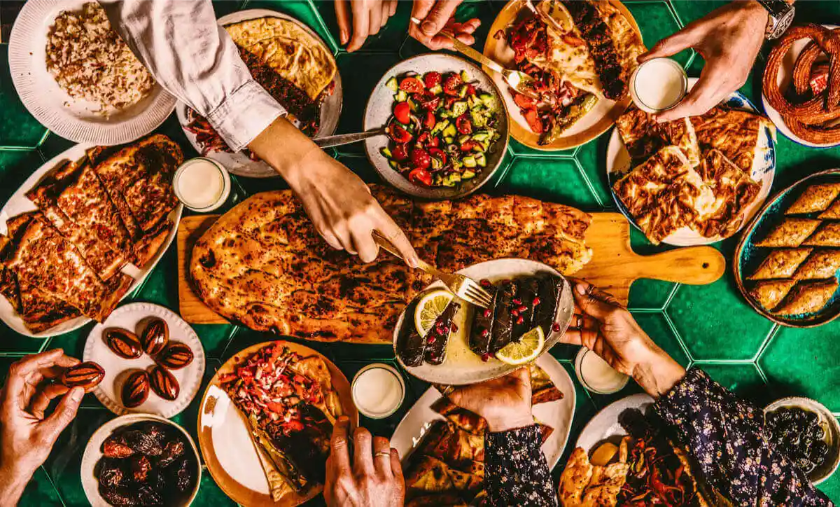
Turkey is renowned for its rich culinary heritage, blending flavors from Central Asia, the Middle East, and the Mediterranean. While iconic dishes like kebabs, baklava, and Turkish delight are globally celebrated, there’s a treasure trove of lesser-known delicacies waiting to be discovered. Let’s embark on a journey across Turkey’s regions to explore traditional flavors that remain off the radar for most tourists.

Gaziantep’s Küşleme
Gaziantep, often hailed as Turkey’s gastronomic capital, is famous for its pistachios and baklava. However, few are aware of küşleme, a melt-in-your-mouth lamb dish made from the most tender part of the lamb, the backstrap. Traditionally cooked over a charcoal grill, this delicacy boasts a smoky flavor and a juicy texture that’s unforgettable.
Origins and Significance
Küşleme traces its roots to the nomadic tribes of Anatolia, where cooking meat over an open flame was both practical and flavorful. Today, it’s a dish that represents the simplicity and purity of Turkish grilling traditions.
Modern Twist
Chefs have started incorporating küşleme into modern menus by pairing it with innovative sides like truffle-infused bulgur or pomegranate molasses glaze, making it a contemporary gourmet delight.
Karadeniz’s Kuymak
Kuymak, a cheesy cornmeal dish, is a staple in the Black Sea region, particularly in Rize and Trabzon. Made with local cornmeal, butter, and the region’s special aged cheese, kuymak is a gooey, savory delight that is typically served as breakfast or a hearty snack.
Origins and Cultural Context
The dish’s roots lie in the agricultural practices of the Black Sea communities, where corn and dairy have been staples for centuries. Kuymak is not just food; it’s a symbol of communal breakfasts and hospitality.
Modern Twist
In urban settings, kuymak is finding its way into fusion cuisines. For instance, some chefs serve it with crispy fried anchovies or incorporate it as a cheesy dip for artisanal breads.
Mardin’s Kaburga Dolması
Hailing from Mardin, a southeastern city known for its Assyrian and Arabic influences, kaburga dolması (stuffed rib) is a grand dish often reserved for special occasions. It consists of a lamb rib stuffed with aromatic spiced rice, nuts, and sometimes dried fruits, then slow-cooked to perfection.
Origins and Heritage
This dish reflects the multicultural fabric of Mardin, blending Middle Eastern spices with Anatolian cooking methods. It’s often prepared during festive gatherings, embodying a spirit of sharing and celebration.
Modern Twist
Innovative chefs have begun creating individual portions of kaburga dolması using smaller cuts of lamb or substituting the rice stuffing with quinoa for a lighter, health-conscious version.
Antakya’s Kaytaz Böreği
In the southern city of Antakya, kaytaz böreği is a hidden gem. This savory pastry is made from thin layers of dough filled with a mixture of minced meat, onions, and spices, baked until golden and flaky.
Origins and Unique Characteristics
Kaytaz böreği embodies the Levantine influences in Antakya cuisine, which is shaped by its proximity to Syria. The use of spices like sumac and allspice gives it a distinctive flavor profile.
Modern Twist
Bite-sized versions of kaytaz böreği are appearing on canapé menus, and some chefs are experimenting with fillings like sun-dried tomatoes and goat cheese for a Mediterranean spin.
Siirt’s Perde Pilavı
Perde pilavı, or “curtain rice,” is a visually stunning dish originating from Siirt in southeastern Turkey. It features spiced rice mixed with chicken, almonds, and raisins, encased in a thin dough that’s baked until golden brown.
Origins and Symbolism
Perde pilavı is traditionally served at weddings and symbolizes unity and prosperity. The outer dough represents the veil of the bride, while the rich filling signifies abundance.
Modern Twist
This dish is being reimagined as individual pot pies or deconstructed bowls, where the ingredients are presented in layers for a contemporary dining experience.
Why Explore These Hidden Gems?
These dishes are more than just meals; they are cultural narratives that offer a glimpse into Turkey’s diverse heritage. By venturing beyond well-known dishes, travelers can connect more deeply with the traditions and histories of Turkey’s regions.