
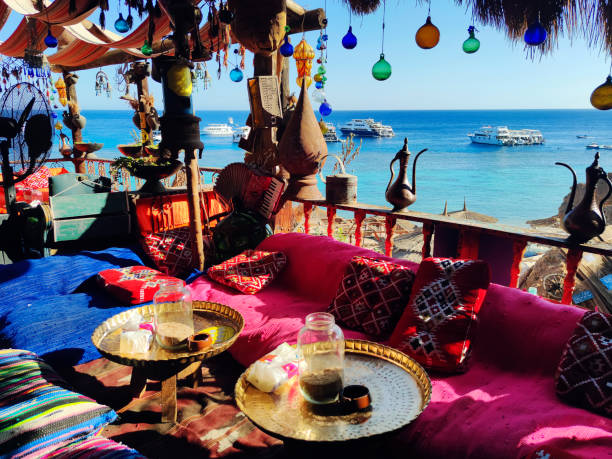
Turkey, a bridge between Europe and Asia, boasts a rich and diverse culture that has developed over thousands of years. Its unique blend of Eastern and Western influences, shaped by a rich history and geographical diversity, creates a fascinating tapestry of traditions, art, cuisine, and hospitality. In this blog, we’ll explore the many facets of Turkish culture that make it so distinctive and captivating.
A History of Influence
Turkish culture is deeply rooted in history, shaped by the legacies of ancient civilizations such as the Hittites, Romans, Byzantines, and Seljuks. The rise of the Ottoman Empire marked a golden era of cultural development, blending traditions from the Middle East, Central Asia, and the Mediterranean. Today, modern Turkey celebrates this rich heritage while embracing contemporary values.
Turkish Hospitality: A Heartfelt Welcome
One of the most celebrated aspects of Turkish culture is its hospitality. Visitors to Turkey are often struck by the warmth and generosity of its people. Hospitality is more than a custom—it’s a deeply ingrained cultural value. Whether you’re offered a glass of Turkish tea, a home-cooked meal, or assistance from a stranger, you’ll experience a level of kindness that leaves a lasting impression.
The Art of Turkish Cuisine
Turkish cuisine is a cornerstone of its culture, offering a rich variety of flavors and dishes:
- Kebabs and Grills: From the famous Şışkebab to Adana kebab, grilled meats are a staple.
- Meze: Small dishes like hummus, haydari, and dolma are perfect for sharing.
- Sweets: Turkish Delight and baklava are iconic treats.
- Beverages: Turkish tea and coffee are integral to social gatherings.
Music and Dance: A Celebration of Life
Music and dance are vibrant expressions of Turkish culture. Traditional music includes instruments like the saz and ney, with styles ranging from Anatolian folk to Ottoman classical. Dance forms such as the whirling dervishes of Sufi tradition and lively folk dances like the Zeybek and Horon showcase Turkey’s cultural diversity.
The Beauty of Turkish Art
Art and craftsmanship hold a special place in Turkish culture. Key forms include:
- Carpet Weaving: Turkish carpets are renowned for their intricate patterns and craftsmanship.
- Ceramics: Iznik tiles, with their bright blue and white designs, are iconic.
- Calligraphy: Islamic calligraphy is a highly respected art form.
- Miniature Painting: These detailed artworks depict historical and cultural scenes.
Festivals and Traditions
Turkish culture is alive with festivals and traditional celebrations:
- Religious Festivals: Ramadan and Eid-al-Fitr are significant events marked by communal prayers and feasting.
- National Holidays: Republic Day and Victory Day celebrate modern Turkey’s achievements.
- Local Festivals: Events like the Camel Wrestling Festival and Whirling Dervishes Festival highlight regional traditions.
The Turkish Bath: A Timeless Tradition
The hammam, or Turkish bath, is a centuries-old tradition that offers relaxation and rejuvenation. Originating from Roman and Byzantine bathing practices, the hammam experience combines cleansing rituals with a tranquil atmosphere.
The Turkish Language
The Turkish language is a vital component of the country’s identity. It belongs to the Turkic language family and is written in the Latin alphabet. Rich in proverbs and expressions, the language reflects the values and wisdom of Turkish culture.
Bridging the Past and Present
Modern Turkey seamlessly blends its historical roots with contemporary culture. Cities like Istanbul, where ancient architecture coexists with modern skyscrapers, epitomize this harmony. Turkey’s film industry, fashion scene, and technological advancements also reflect its dynamic evolution.
A Unique Sense of Identity
Despite its diversity, Turkish culture fosters a strong sense of national pride and identity. Respect for family, tradition, and community are core values that unite its people.
Visiting Turkey: A Cultural Immersion
Exploring Turkish culture firsthand is an unforgettable experience. Visit bustling bazaars, enjoy authentic Turkish cuisine, and witness the breathtaking beauty of landmarks like the Hagia Sophia and Cappadocia. Each encounter offers insight into the heart and soul of Turkey.