
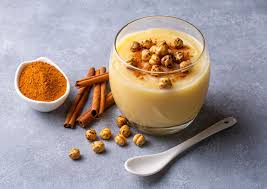
Boza, a centuries-old fermented drink, holds a special place in the culinary traditions of the Balkans, Central Asia, and the Middle East. Its unique sweet-tangy flavor and creamy texture make it a beloved beverage, especially during colder months. This blog post dives into everything you need to know about boza—its origins, ingredients, preparation, and cultural significance.
What is Boza?
Boza is a traditional fermented drink made from grains such as millet, corn, or wheat. It has a thick, creamy consistency and is slightly fizzy due to natural fermentation. The flavor profile of boza is a balance of sweetness and tanginess, which results from the conversion of starches in the grains into sugars and acids during fermentation.
This hearty beverage is often consumed as a nutritious and warming treat, particularly in winter, and is renowned for its probiotic benefits due to the fermentation process.
The Origins of Boza
The history of boza stretches back over 8,000 years, originating in Mesopotamia, where fermentation techniques were first developed. It later spread across Central Asia, the Balkans, and the Ottoman Empire. During the Ottoman period, boza became a staple drink, enjoyed by people from all walks of life—from soldiers to royalty.
Traditionally, boza was a popular drink for sustaining energy during long winters. It was also considered a comfort food, often served alongside sweet snacks. Today, boza remains a nostalgic beverage in Turkey, Albania, Bulgaria, and other regions where it has been a part of the cultural fabric for generations.
How is Boza Made?
Key Ingredients:
Grains: The main ingredient is usually millet, corn, or wheat. Each grain lends a slightly different flavor and texture to the final product.
Water: Essential for cooking the grains and creating the base of the drink.
Sugar: Added after fermentation to balance the tanginess with sweetness.
Fermentation Starter: A small portion of previously fermented boza or a natural yeast source.
Step-by-Step Preparation:
Cook the Grains: The grains are boiled with water until soft and mushy. This creates a thick porridge-like consistency.
Strain the Mixture: The cooked grains are strained to remove husks and solid particles, leaving a smooth liquid base.
Start Fermentation: The strained liquid is left to ferment naturally at room temperature. This process can take 1-2 days, depending on the ambient temperature and the fermentation starter used.
Sweeten and Store: Once fermentation is complete, sugar is added to taste, and the boza is stored in cool conditions. It can be refrigerated for up to a week.
Serve: Boza is typically served chilled, with a sprinkle of cinnamon and roasted chickpeas for garnish.
The Cultural Significance of Boza
Boza is more than just a drink—it’s a cultural symbol. In the Ottoman Empire, street vendors selling boza were a common sight, especially during winter. Their calls of “Boza!” resonated through neighborhoods, drawing people to indulge in this warming beverage.
In Turkey, the tradition of boza continues, with the most iconic producer being Vefa Bozacısı in Istanbul. Established in 1876, this historic shop remains a pilgrimage site for boza enthusiasts. Similarly, in Albania and Bulgaria, boza is often enjoyed as part of breakfast or paired with desserts.
The drink also holds nostalgic value, evoking memories of family gatherings, winter evenings, and local festivals. For many, the taste of boza is a link to their cultural heritage.
Health Benefits of Boza
Boza is not only delicious but also highly nutritious. Its health benefits include:
Rich in Probiotics: The fermentation process produces beneficial bacteria that support gut health and boost immunity.
High in Nutrients: Boza contains essential vitamins such as B1, B2, and B6, along with minerals like calcium and phosphorus.
Energy-Boosting: The high carbohydrate content provides a quick source of energy, making it ideal for cold-weather consumption.
Digestive Aid: The natural acidity of boza helps improve digestion.
Variations of Boza
The flavor and consistency of boza can vary depending on the region and the grains used:
Turkish Boza: Typically made from millet, it has a creamy and mild flavor.
Balkan Boza: Often prepared with cornmeal or wheat, this version is slightly tangier and thinner.
Central Asian Boza: Made with fermented barley or wheat, it is more sour and has a grainier texture.
Each version reflects the local ingredients and tastes, adding to boza’s rich diversity.
How to Enjoy Boza
Boza is traditionally served in a glass, chilled and garnished with cinnamon and roasted chickpeas. The toppings not only enhance the flavor but also add a delightful texture contrast. It pairs well with sweet pastries, making it an excellent addition to breakfast or a comforting late-night treat.
For those looking to experiment, boza can also be used as an ingredient in recipes such as cakes, smoothies, or even savory sauces. Its tangy flavor adds a unique twist to both sweet and savory dishes.
Why Boza is Making a Comeback
In recent years, fermented foods and beverages have gained popularity for their health benefits, and boza is no exception. As more people seek traditional, probiotic-rich drinks, boza has found a new audience among health-conscious consumers. Artisanal and homemade versions of boza are becoming more accessible, bringing this ancient drink into modern kitchens.
Final Thoughts
Boza is a timeless beverage that bridges the past and the present. With its deep roots in history, unique flavor, and nutritional benefits, it continues to charm people across the globe. Whether you’re sipping boza on a snowy evening or experimenting with it in your recipes, this fermented drink offers a taste of tradition and comfort in every glass.